Hyundai Electrified Vehicles
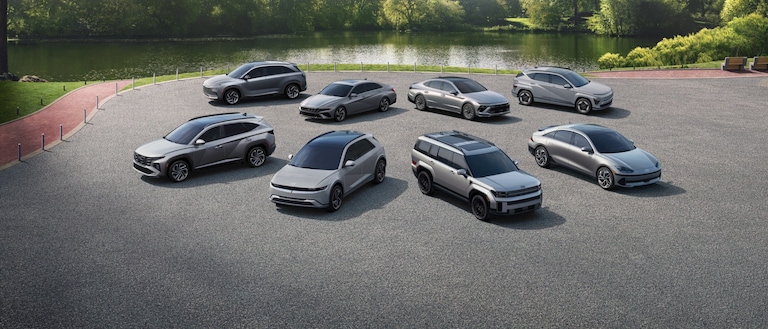
America's Most Awarded EV Lineup. Plus, hybrids and plug-in hybrids, too.


If you're thinking about making the switch to an electrified vehicle, you're not alone. More and more people are discovering the benefits of driving electric, from reducing their carbon footprint to saving money on fuel and maintenance. At Hyundai, we offer a wide variety of electrified options, with four different powertrains to choose from. And to help you make an informed decision, we've gathered all the information and resources you need right here in one convenient place.
Not sure if what you've heard about electric vehicles is true? Here are some common beliefs along with the actual facts.
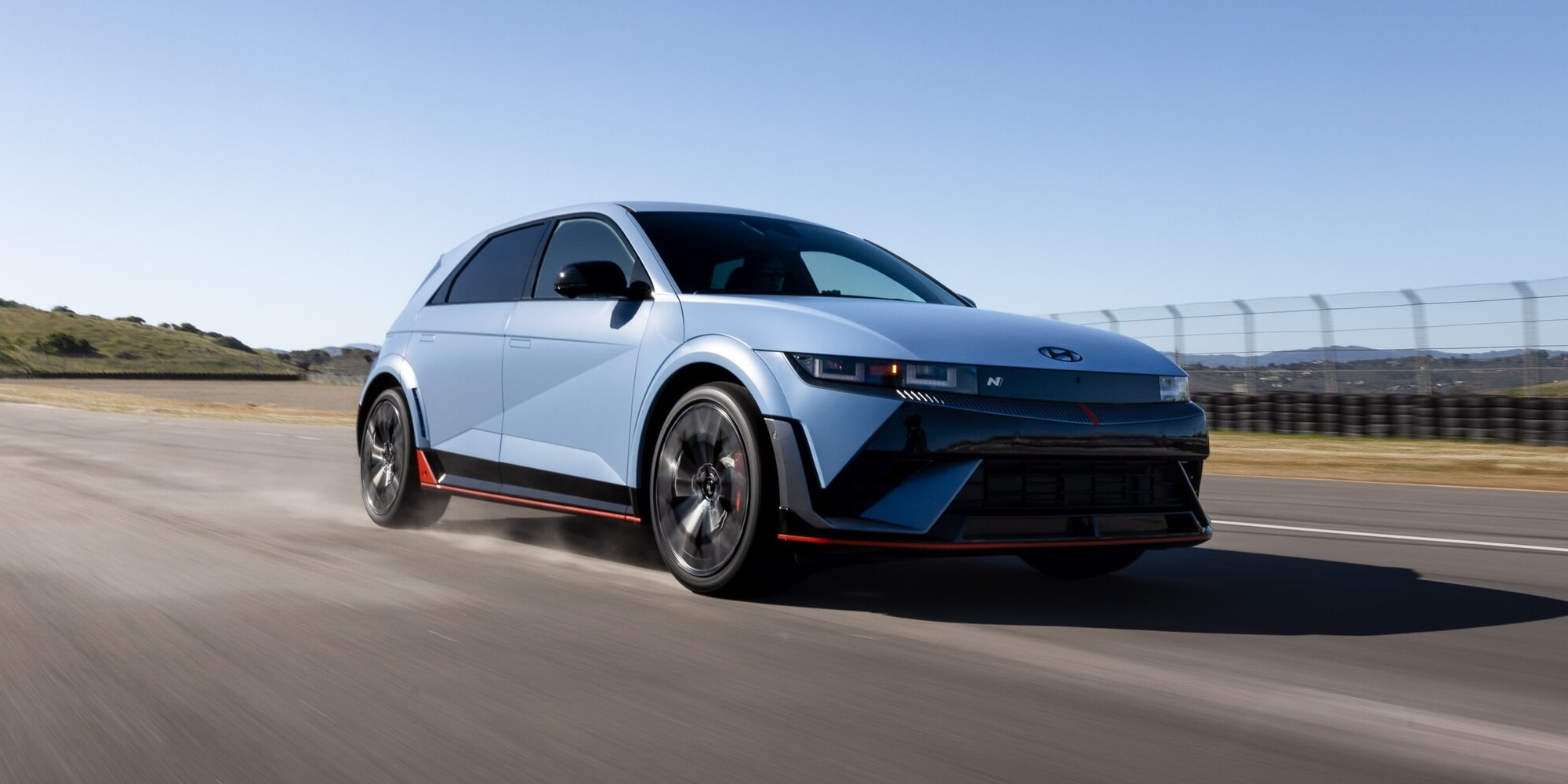
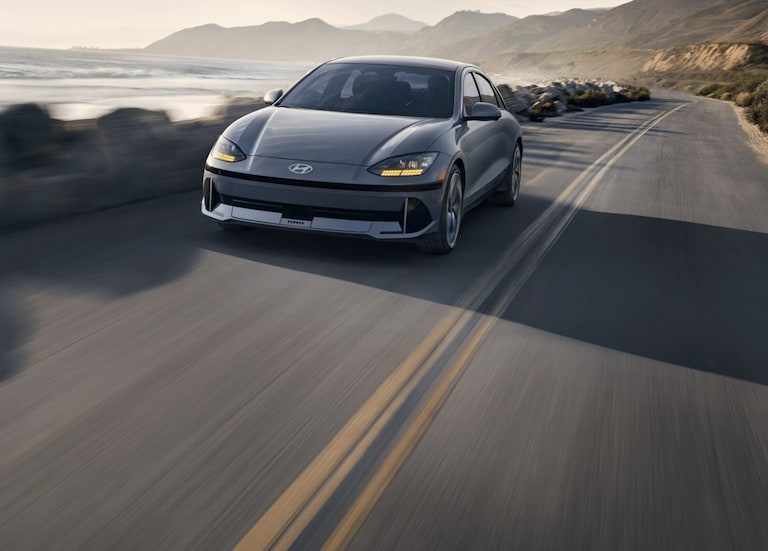
Thanks to instant torque, electric vehicles give you quick yet smooth acceleration that makes them a blast to drive. In fact, the most powerful Hyundai ever built is an EV: the 641-hp IONIQ 5 N (when N Grin Boost is engaged).
Explore IONIQ 5 N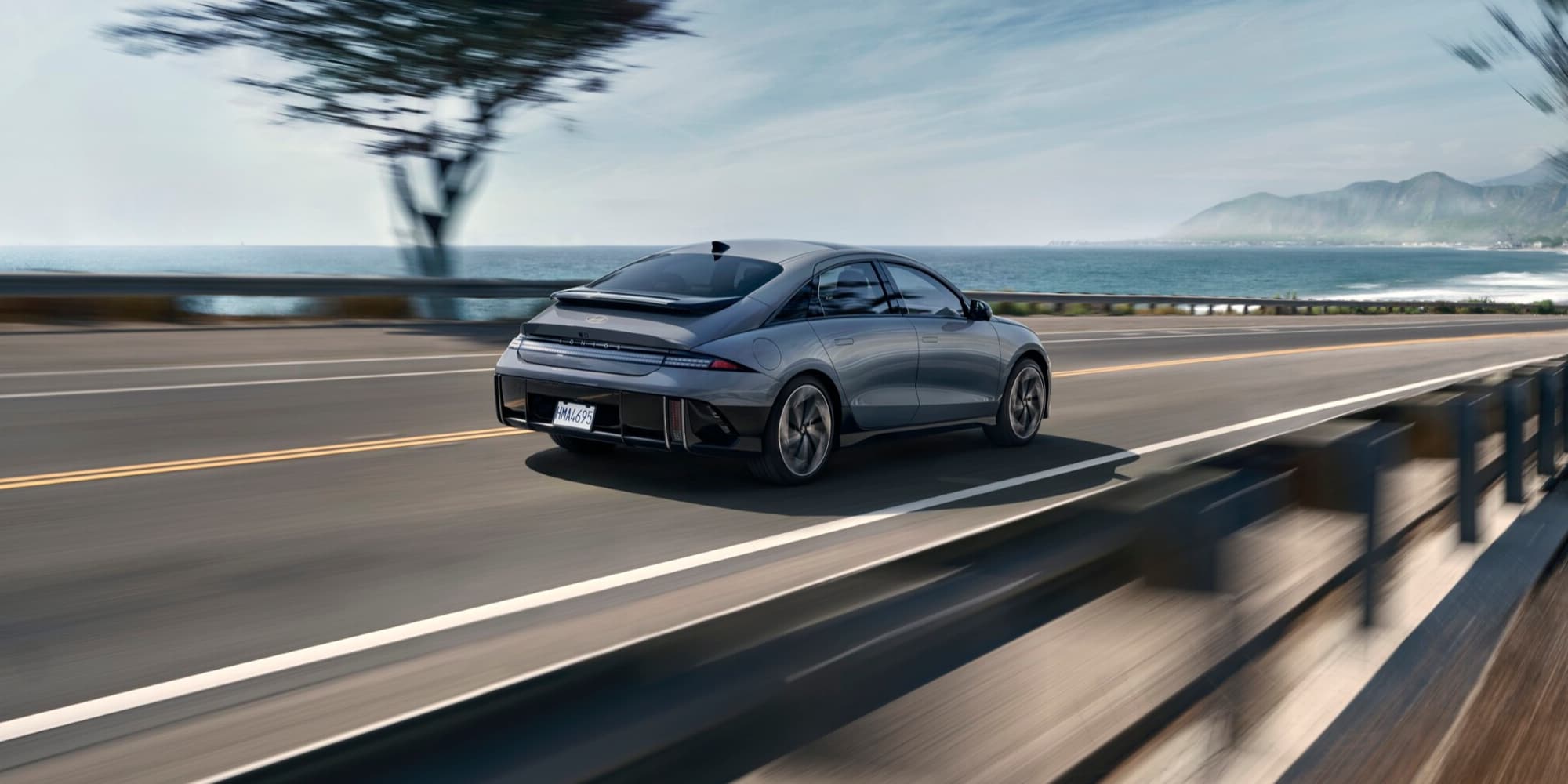
Hyundai electric models come with cutting-edge battery technology that can give you hundreds of miles on a single charge, comparable to many gas-powered vehicles.

All Hyundai EVs have advanced pre-conditioning systems, which help keep batteries at their optimal temperature in colder climates.
Non-U.S. Preproduction Model Shown.
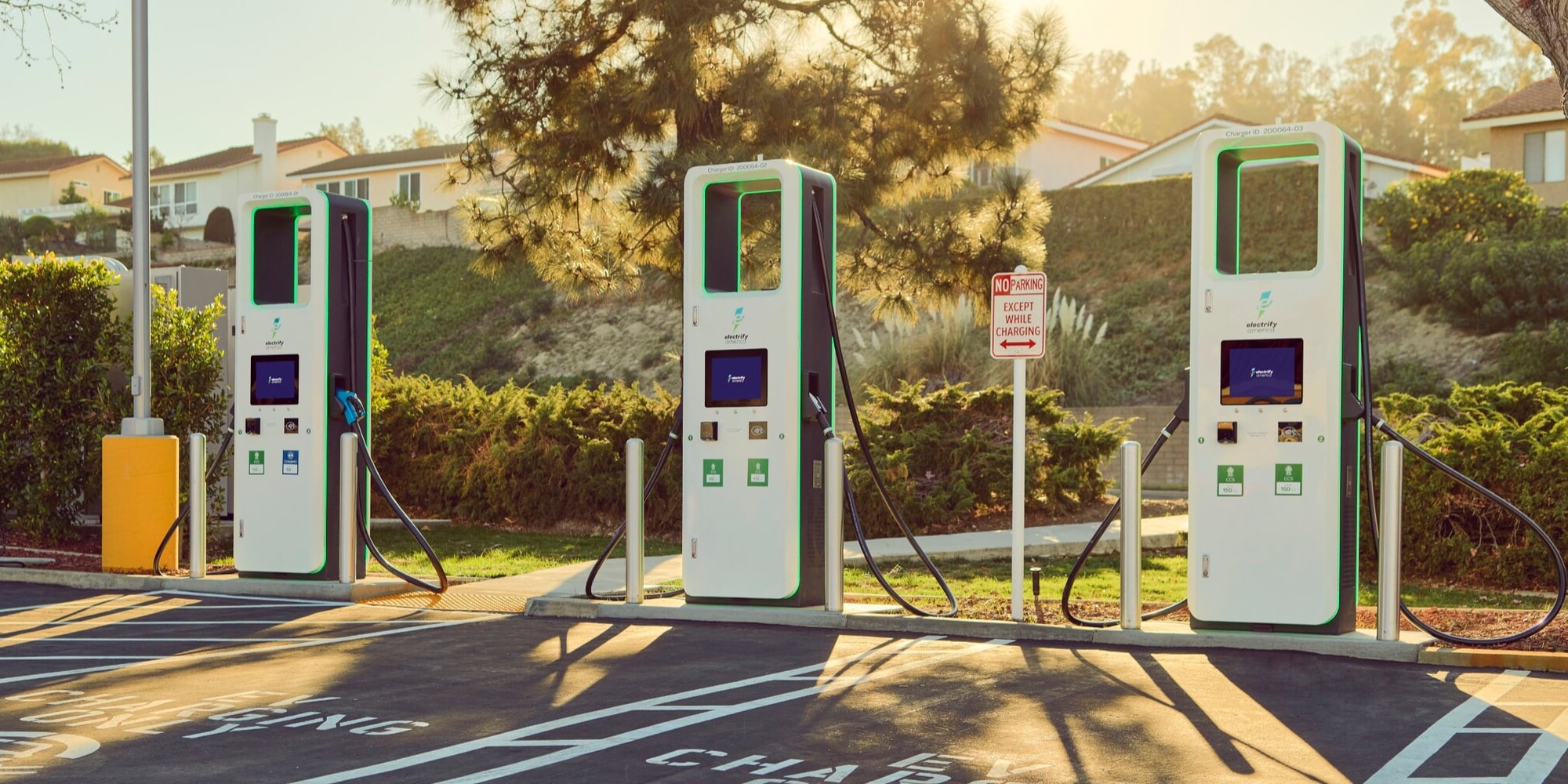
The vast and fast-growing network of public charging stations means you’ve got plenty of charging options nearby. Coupled with the ease of charging at home or work, it’s never been easier to keep your EV powered up.
Find nearest charging stationsThe actual charging time varies based on a number of factors, including the vehicle model and trim, current battery charge level, output of the charging unit, vehicle and battery settings, and outside temperature. Level 1 is the easiest home charging option—you simply plug into a standard 120V AC outlet with the portable charging cable that comes with select Hyundai models. But it takes significantly longer than other charging options. Level 2 charging can fully charge your vehicle in as little as 4 hours 55 minutes (2025 KONA Electric SE Standard Range) depending on the model and various conditions. For Level 3 charging, DC fast chargers can take your vehicle from 10% to 80% in as little as 24-73 minutes, depending on model. Even better, a 350-kW, 800V DC ultra-fast charger can power up 2025 IONIQ 6 from 10 to 80% in just 18 minutes.
The cost to charge an electric vehicle (EV) depends on several factors, including local electricity rates, the type of charger used, where you charge (home vs. public charging station), and the vehicle itself. To help you calculate your possible fuel savings by switching to an electric vehicle, please use our estimated savings calculator.
During braking or coasting, regenerative braking turns the wheels’ rotations into electricity, which is then stored in the battery. IONIQ 5, IONIQ 5 N, IONIQ 6, KONA Electric and NEXO Fuel Cell have control paddles behind the steering wheel, which let you choose from different levels of regenerative braking.
Unlike gas-powered vehicles, EVs have no transmission. So, this means no oil changes.
With zero tailpipe emissions, lower greenhouse gas emissions, and higher energy efficiency than internal combustion engine (ICE) vehicles, electric vehicles (EVs) are an important step in reducing our environmental footprint.
South Charlotte Hyundai
10518 Cadillac Street
Pineville, NC 28134